Health and Safety Policy for Man With Van Norbiton
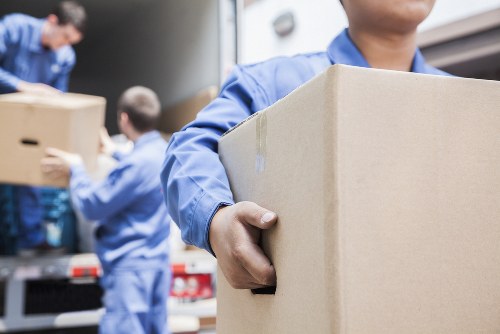 Man With Van Norbiton is committed to maintaining a safe, efficient, and responsible working environment for every move we carry out. This health and safety policy sets out the standards we follow to reduce risk, protect people, and make sure every removal is completed with care. We recognise that moving furniture, boxes, and specialist items can involve physical strain, awkward lifting, and changing conditions, so our approach is built on prevention, planning, and attention to detail. Safety is part of every stage of the job, from the first assessment to the final item placed in position.
Our team understands that no two moves are the same. A successful man with van service depends on identifying hazards early and choosing the safest method for each task. We expect all staff to work in a professional manner, follow safe systems of work, and remain alert to risks in the property, on the road, and while handling goods. This policy applies to all employees, contractors, and anyone acting on behalf of Man With Van Norbiton.
We also believe that a strong safety culture benefits customers, staff, and property alike. By using suitable equipment, sensible loading methods, and clear communication, we help reduce the chance of injury or damage. The policy below outlines the main principles that guide our van moving services and the responsibilities expected from everyone involved.
 Risk assessment is a key part of our process. Before work begins, we consider the size and weight of items, the access route, floor surfaces, stairs, weather conditions, and any fragile or unusual goods. If a task appears unsafe, we will adjust the method, request assistance, or pause until the risk is controlled. Our aim is always to complete the move without putting anyone in unnecessary danger.
All team members are expected to use correct manual handling techniques. This includes bending the knees, keeping loads close to the body, avoiding twisting, and asking for help when an item is too heavy or awkward to carry safely. For larger or unusually shaped items, we may use trolleys, straps, blankets, and other moving equipment to improve control and reduce strain. No one should attempt a lift that exceeds their safe capability.
We place strong emphasis on vehicle safety as well. Our vehicles are checked regularly for roadworthiness, tyre condition, lights, fuel levels, and load security. Items must be arranged so they do not shift during transit. Drivers are expected to follow speed limits, plan routes responsibly, and take breaks when needed to remain alert. Safe driving is an essential part of our overall policy.
 Workplace safety also includes good housekeeping. Floors, doorways, and loading areas should be kept clear of clutter, spillages, and trip hazards wherever possible. If access is difficult, staff should communicate before moving forward. We encourage the use of sensible footwear and suitable clothing so the team can work with better grip, balance, and protection. Small precautions can make a major difference in preventing accidents.
When handling customer belongings, we take care to protect both people and property. Fragile items should be packed securely, labelled where necessary, and carried with appropriate support. Sharp edges, glass, and unstable furniture present special hazards and must be managed carefully. If the condition of an item makes it unsafe to move in the usual way, the team should stop and reassess the task rather than rushing ahead.
We maintain a clear incident reporting process. Any accident, near miss, or unsafe condition must be reported promptly so it can be reviewed and addressed. This helps us learn from experience and improve future practice. All reports are treated seriously, whether they involve lifting injuries, vehicle issues, damaged equipment, or risks identified at a property.
Training is central to our commitment. Staff are expected to understand manual handling, safe loading, hazard awareness, and emergency response procedures. Supervisors should ensure that new team members receive appropriate instruction and that safe practices are reinforced regularly. Where specialist handling is required, additional support or expert methods may be used to reduce risk and maintain a safe working standard.
We also recognise the importance of communication with customers. Clear information helps reduce confusion and supports safer working conditions. Clients may be asked to secure pets, clear access paths, and highlight any concerns before the move begins. Good communication allows us to plan effectively and manage the task in a controlled, organised way. Our Norbiton removal policy is built on cooperation, respect, and practical safety measures.
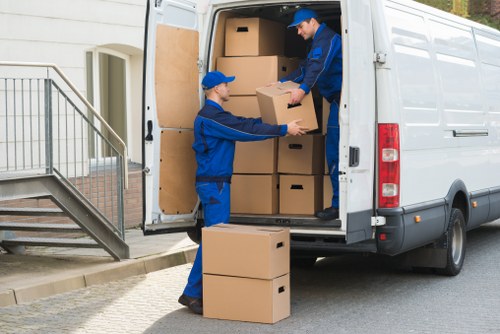 Environmental conditions can affect safety too. Wet surfaces, poor lighting, narrow entrances, and hot or cold weather may all increase the likelihood of incidents. We adapt our approach to suit the situation and, where needed, slow the pace of work to maintain control. If conditions become unsafe, work may be delayed or rescheduled to protect everyone involved.
 This policy is reviewed regularly to make sure it remains effective and relevant. We will update our procedures when there are changes in operations, equipment, or legal expectations. Every member of Man With Van Norbiton shares responsibility for supporting a positive safety culture, reporting concerns, and following agreed methods. Through careful planning, disciplined handling, and consistent safety awareness, we aim to provide a reliable man with a van service that protects people, property, and peace of mind.