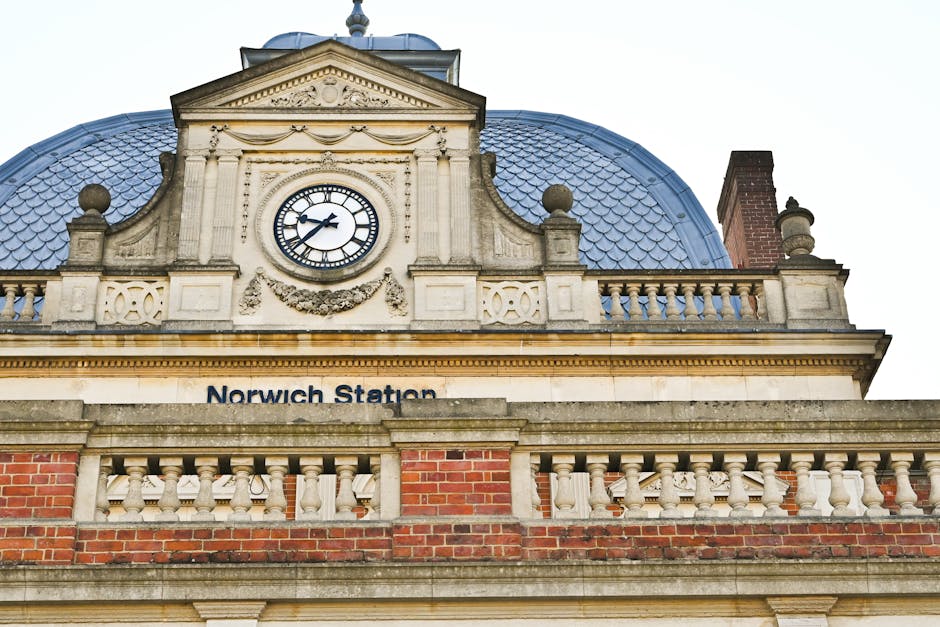
Protecting period features in Norbiton homes during moves

Moving house is stressful enough without worrying about a sash window, a ceiling rose, or an original staircase getting chipped on the way out. In Norbiton, that concern is very real. Many homes in the area still carry the kind of period details that give a property its character, and once something like that is damaged, the loss is often permanent. Protecting period features in Norbiton homes during moves is really about planning well, moving carefully, and understanding which parts of the property need extra attention before a single box is lifted.
This guide walks through the practical side of doing that properly. You will find out what needs protecting, how to prepare rooms and access routes, which packing and lifting methods help most, and where people usually go wrong. There is also a checklist, a comparison table, and a few local moving insights that should make the whole thing feel a bit less daunting. Let's face it, old houses have their own opinions.
Why Protecting period features in Norbiton homes during moves Matters
Period features are often the details that make a Norbiton property feel special. Think original banisters, decorative plasterwork, timber floors, cast-iron fireplaces, tiled surrounds, internal doors, and older skirting boards that sit a little proud of the wall. These are not just aesthetic extras; they are part of the house's identity.
During a move, those features are vulnerable in very ordinary ways. A wardrobe scraped too close to a hallway can take a gouge out of a wall corner. A mattress dragged across a stair tread can scuff varnish that has survived decades. Even a well-meaning box can catch a shallow architrave and split the paint or plaster. It is rarely dramatic. It is usually the small stuff that hurts most.
There is also a resale and maintenance angle. Buyers notice original details, especially when they are intact. Repairing them can be awkward and expensive because matching old materials and finishes is not always straightforward. If you are renting, the same point applies in a different way: avoidable damage can complicate checkout inspections and deposit conversations, which nobody enjoys.
In a practical sense, the job is not to wrap a whole house in bubble wrap and live in a cave for a week. It is to recognise the high-risk areas early and slow the move down in the places where the property is most fragile. That is the sweet spot.
How Protecting period features in Norbiton homes during moves Works
The process works best when you treat the move like a route map rather than a series of random trips with boxes. First, identify what needs protection. Then work backwards from the property layout, the furniture sizes, and the access route. Finally, add physical protection where it actually reduces risk rather than just looking reassuring.
That usually means a mix of soft and rigid protection. Soft materials include moving blankets, furniture covers, padding, and tissue or acid-free paper for delicate surfaces. Rigid protection might include corner guards, floor runners, and boarding for tight stair edges or door surrounds. The goal is to create a buffer between the moving load and the house fabric.
Another part of how it works is team discipline. Someone needs to be watching walls, doorways, and stair turns. Someone else needs to be pacing the carry. If everyone is focused only on the item in their hands, accidents creep in. In our experience, the best moves are the boring ones: measured, paused, and a bit fussy in the right places.
If you are using professional help, it is worth having a quick pre-move walk-through. That way everyone understands which features are especially important. A boxed room is one thing; a Victorian hallway with a narrow turning point is another entirely. You can see why the second needs more care.
Key Benefits and Practical Advantages
Protecting original details is not just about preventing damage. It makes the whole move smoother. When furniture is easier to steer, when floors are protected, and when fragile trim is identified in advance, the job becomes more predictable. Predictable is good. Predictable saves time.
- Less risk of repair costs: A small knock to period plaster or timber can become a surprisingly fiddly repair.
- Better preservation of character: You keep the details that make the home feel authentic.
- Cleaner moving routes: Proper floor and wall protection reduces the chance of scuffs, chips, and dragged dirt.
- More confident handling: Movers are less likely to rush when access is clearly protected and managed.
- Lower stress on moving day: You are not constantly scanning for the next bit of damage.
There is also a subtle psychological benefit. When you know the house is protected, you relax a little. You make better decisions. You do not keep hovering over every corner like a nervous stage manager. Honestly, that matters more than people expect.
For anyone arranging a broader home move, this sits naturally alongside good packing discipline and careful furniture handling. If you are refining your overall move plan, packing techniques for a flawless house move and practical advice for a smoother move are useful companion reads.
Who This Is For and When It Makes Sense
This guidance is for anyone moving in or out of a home with original or older architectural details. That includes owners, tenants, landlords, and even people moving between flats in converted buildings where the communal areas carry more age and character than the interior itself. If your property has narrow stairs, ornate trims, old woodwork, or delicate plaster, this is for you.
It makes particular sense if any of these apply:
- You are moving large furniture through narrow or awkward hallways.
- Your home has original floorboards, decorative tiles, or historic fireplaces.
- The building has tight staircases, shallow landings, or tricky door widths.
- You are managing a long-distance or multi-stop move and want to reduce back-and-forth handling.
- You are storing items temporarily and need to avoid rubbing, crushing, or moisture damage.
People often assume period features only matter in grand houses. Not true. A modest Norbiton terrace can have just as many vulnerable details as a larger property. Sometimes more, because the spaces are tighter and the original finishes are closer to the day-to-day traffic.
If you are relocating furniture rather than an entire household, the same logic still applies. A single heavy item can do disproportionate damage. For that reason, careful furniture removals in Norbiton can be a sensible fit where the access is delicate and the home itself needs extra respect.
Step-by-Step Guidance
Here is the practical sequence that tends to work best. Keep it simple, but not too simple.
- Walk the property before packing starts. Look at hall corners, stair rails, skirting, thresholds, fireplaces, and any decorative plaster. Note what is fragile, what is tight, and what is likely to get brushed.
- Measure the awkward bits. Door widths, stair turns, landing space, and furniture dimensions matter. If a sofa or wardrobe only just fits, that is a warning sign, not a challenge.
- Clear the route. Remove loose rugs, pictures, shoe racks, plant stands, bins, and anything else that narrows the path. One forgotten umbrella stand can be the thing that trips a carry team at the worst moment.
- Protect the surfaces first. Lay floor runners where people will walk repeatedly. Add corner guards or temporary padding near the tightest turns. Use blankets on bannisters or painted rails where hands and furniture are likely to rub.
- Pack fragile items by room, not by randomness. Small decorative items should be boxed before the heavy furniture moves. That reduces the need to weave around loose bits later.
- Move the largest items in a controlled order. Typically, the most awkward piece should go once the route is fully protected and everyone is warmed up, not at the very end when fatigue starts creeping in.
- Check each room after the carry. Look for scuffs, lifted varnish, or chips near the exit path. Catching problems early makes them easier to address.
A simple house move can suddenly feel much more serious once you are carrying a wardrobe around a corner with a bannister two inches away. That is where patience pays off.
If you want to reduce the volume of items before moving day, decluttering before the big day can make a real difference. Fewer items means fewer chances to bump into old plaster or timber details.
Expert Tips for Better Results
Here are the small things that often separate a smooth move from a messy one.
Use the right kind of protection, not just more protection
Thick blankets are helpful, but they are not magic. A soft blanket on a banister is useful when secured properly; a loose blanket is just another object to trip over. Tape should be used carefully and never directly on delicate finishes unless you are certain it will not mark the surface. Low-tack protection is usually the safer choice.
Think in layers
For especially vulnerable areas, a combination of floor protection, corner guards, and item padding works better than relying on one product alone. The idea is to slow down accidental contact rather than trust that nobody will slip, swivel, or brush past.
Give old timber a bit of breathing room
Period joinery can be more brittle than modern replacements. A tight squeeze with a sofa arm or bed frame can chip varnish or dent softened timber. Leaving a little extra turning space, even if it means an extra minute of repositioning, is usually worth it.
Use the best route, not the nearest route
Sometimes the shortest path is the worst one. A slightly longer route through a room with better clearance can be safer than forcing furniture through a narrow hall. It is a moving day, not a race.
Bring in specialist handling for awkward items
Pianos, antiques, oversized mirrors, and very heavy wardrobes deserve specialised treatment. If you have one of these items in a period property, it may be wise to pair building protection with expert handling. For genuinely tricky instruments, professional piano removals in Norbiton are the safer option, especially where staircases and surface protection both matter.
And if the move is being done with a van and a small team, coordination becomes even more important. A service like man with a van in Norbiton can work well for lighter jobs, but period homes still need the same careful route planning. Vehicle size is not the issue; control is.
Common Mistakes to Avoid
The mistakes people make are usually understandable. That does not make them harmless.
- Leaving protection until the last minute: By then the route is busy, everyone is tired, and someone will eventually say, "It will be fine," which is rarely a brilliant plan.
- Using the wrong tape or adhesive: Sticky products can lift paint, especially on older finishes.
- Forgetting staircase landings: The corner at the top or bottom of the stairs is often the worst point, not the straight run.
- Overloading one carry: Big items wobble. Wobbling items hit walls.
- Ignoring floor friction: A heavy box dragged along original boards can leave dull marks or scratches.
- Not checking the exit path outside the front door: A step, path edge, or narrow gate can be just as damaging as the hallway.
One of the quieter mistakes is assuming the house itself can take a few knocks because it has "stood for years anyway." True, but also not the point. The fact that it has lasted is exactly why you should not be casual with it now.
If your move includes awkward access, there are some useful local considerations in staircase, lift and parking tips for Kingston Hill flat moves and Norbiton station access and moving-time advice. Different property types, same basic problem: make the route easier before the heavy lifting starts.
Tools, Resources and Recommendations
You do not need a warehouse full of gear, but the right kit helps.
- Moving blankets: Good for wrapping furniture edges, bannisters, and doorframes that may get brushed.
- Floor runners or protective sheeting: Useful in hallways, entrances, and along repeated walking routes.
- Corner protectors: Handy for sharp edges on walls, fireplaces, and furniture.
- Straps and trolleys: Reduce the need to drag and twist heavy items through awkward spaces.
- Acid-free tissue or soft wrapping paper: Better for delicate finishes and decorative surfaces than rough packing materials.
- Labels and room-by-room packing markers: Help you keep fragile items out of the moving stream until the right moment.
It also helps to think about the move as a sequence of tasks rather than one huge event. Proper packing, careful lifting, and sensible unloading all work together. If you need more support on the packing side, packing and boxes in Norbiton can be useful when you are working out how to organise materials and box types before moving day.
For larger items that are staying out of the way temporarily, storage can reduce pressure on the move itself. That is especially useful if you are trying to protect a narrow hallway from repeated trips with bulky furniture. In that case, storage in Norbiton can make the whole process feel a bit more manageable.
And if you are trying to keep the moving day itself from turning into a scramble, a good overview of removal services in Norbiton can help you understand what level of support fits the job. Sometimes you only need transport; sometimes you need a full handling team. It depends on the property, really.
Law, Compliance, Standards and Best Practice
There is no single rulebook for protecting period features during a move, but there are sensible UK best-practice expectations around care, safety, and responsibility. If you are a homeowner or tenant, you still have a duty to act reasonably and avoid unnecessary damage. If you are using a removal provider, they should handle goods and property with appropriate care and be clear about the limits of any cover or liability.
In practical terms, that means checking what protection is included, what happens if damage occurs, and how complaints are handled. It also means reading terms carefully, because assumptions are where misunderstandings breed. Not glamorous, admittedly, but it saves arguments later.
For general peace of mind, it is sensible to understand the mover's safety policies, insurance arrangements, and service terms before the day arrives. You can review useful background through health and safety policy information, insurance and safety details, and terms and conditions. If the move involves payment planning too, payment and security guidance can be helpful.
Best practice in period homes also includes respectful treatment of the building fabric. Avoid overzealous fixing, avoid damaging adhesives on historic finishes, and keep a record of any pre-existing marks or fragile points before the move begins. A few photos on your phone can be useful. Nothing fancy. Just sensible.
Options, Methods, or Comparison Table
Not every property needs the same level of protection. Here is a straightforward comparison of the main approaches.
| Method | Best for | Strengths | Limitations |
|---|---|---|---|
| Basic blanket protection | Low-risk moves, wider access, newer finishes | Quick, affordable, easy to deploy | Less effective around tight corners and fragile trim |
| Full route protection | Period homes with narrow halls and staircases | Better coverage for floors, corners, and rails | Takes more time to set up |
| Specialist item handling | Antiques, pianos, large mirrors, awkward wardrobes | Reduced risk for high-value or awkward pieces | May require more planning and cost |
| Temporary storage and staged move | Busy or tightly proportioned period homes | Less crowding on moving day, fewer collisions | Needs extra coordination |
The right choice is usually a mix. A simple flat move may only need a few well-placed protections, while a house with original stairs and fireplaces may need the full route treated as vulnerable. If your move is urgent, you might also want to look at same day removals in Norbiton, though quick timing should never mean careless handling. Speed and care can coexist, but only if the plan is tight.
Case Study or Real-World Example
Here is a very typical local scenario. A couple moving out of a Victorian-style home in Norbiton had a long hallway with original woodwork, a narrow staircase, and a fireplace surround that sat just where the bed frame wanted to turn. Nothing exotic. Just a house with opinions.
Before moving day, they removed loose items, protected the floor with runners, and padded the stair rail and the two tight corners that had caused bumps in previous moves. They also separated the largest items so the bedroom furniture came out after the smaller boxes were already cleared, which reduced congestion in the hall.
The key success factor was not a fancy product. It was sequence. The movers knew exactly where the risky points were, and the homeowners did not keep changing the plan halfway through. That may sound obvious, but it is the kind of thing that slips when people are tired and trying to be helpful.
There was one awkward moment with a wardrobe hinge that wanted to catch on a doorway. Instead of forcing it, the team paused, adjusted the angle, and took the slightly slower route. No wall damage, no chipped paint, no "we'll touch that up later" conversation that never really gets done. Nice and calm. Rare for moving day, but possible.
In jobs like that, the difference between a decent move and a frustrating one is often whether the route was protected before the large items started moving. Simple as that.
Practical Checklist
Use this before the first item leaves the room.
- Walk through every route from room to exit.
- Identify all fragile features: plaster, mouldings, banisters, doors, skirting, fireplaces, and floorboards.
- Measure tight turns, stair widths, and landing space.
- Remove loose rugs, ornaments, hooks, and freestanding furniture from the route.
- Lay floor protection in hallways and entrances.
- Pad bannisters, door edges, and any exposed corners.
- Pack and label fragile items early.
- Assign one person to watch the route during larger carries.
- Use straps or trolleys where they reduce dragging.
- Take photos of existing marks before the move starts.
- Inspect the route again after the final item is out.
If you are still building your moving plan, it can help to combine this with move-out cleaning tips and best ways to transport your bed and mattress. That keeps the move tidy, efficient, and a little less chaotic.
Conclusion
Protecting period features in Norbiton homes during moves is mostly about respect: for the building, for the furniture, and for the amount of effort the property has already survived over the years. You do not need perfection. You need preparation, awareness, and a steady pace in the places that matter most.
When the route is planned properly and fragile details are shielded before the heavy lifting begins, the move feels calmer and the home stays in much better shape. That is the outcome worth aiming for. Not flashy. Just solid, careful, and done properly.
Get a free quote today and see how much you can save.
And if you are weighing up the practical side of the move, a little local help can go a long way. Whether you are looking into removals in Norbiton or comparing removal companies in Norbiton, choose the option that gives your home the care it deserves. That is the bit you will be glad about later, when you walk back through the door and everything still looks like itself.
Frequently Asked Questions
What are the most fragile period features during a move?
Usually the most vulnerable features are decorative plasterwork, bannisters, skirting boards, original doors, fireplace surrounds, and older floorboards. These are easily scuffed or chipped during tight carries.
Do I need full property protection for a small move?
Not always. A small move in a period property may only need protection along the main route and around the tightest corners. The deciding factor is more about access than item count.
How do I protect original wooden floors while moving furniture?
Use floor runners or protective coverings on the main walking path, and avoid dragging anything. Furniture should be lifted or wheeled where possible, not scraped across the boards.
Can I use tape on old painted walls and woodwork?
Use caution. Some tapes can lift paint or leave residue on older finishes. Low-tack protection is safer, and in sensitive areas it is better to test a small patch first or use non-adhesive methods.
What should I do if a staircase is very narrow?
Measure it properly, pad the rails and corners, and plan the order of items before moving day. Sometimes the safer option is to move large furniture in a different sequence or route rather than forcing a tight turn.
Is it worth using storage to protect period features during a move?
Yes, if the property is cramped or the move needs to be staged. Taking bulky items out early can make hallways safer and reduce the chance of repeated bumps in sensitive areas.
How far in advance should I prepare the house?
Ideally, start planning at least a few days before the move, and earlier if the property has awkward access or delicate finishes. The more original detail you have, the more time you should allow.
What if I am moving antiques as well as period features?
Then the handling plan needs to be even more careful. Antiques should be wrapped individually, clearly labelled, and loaded in a way that prevents pressure or vibration damage. Specialist handling is often the safer call.
Are flats in converted period buildings different to houses?
Yes, mainly because the access route is often the real issue. Shared entrances, stairs, and landings can all contain original features that need protection, and they may be more exposed than in a house.
Should I photograph fragile features before moving day?
Absolutely. It is a simple way to record pre-existing marks, identify especially delicate spots, and give yourself a clearer reference if anything needs checking afterwards.
How do I know whether I need professional help?
If you have narrow access, heavy furniture, high-value items, or a home with a lot of original detail, professional help is usually worth considering. The more difficult the route, the more useful experienced handling becomes.
What is the biggest mistake people make in period homes?
Rushing. Most damage happens when people try to save a few minutes by forcing an awkward carry or skipping route protection. That shortcut usually costs more time in the end.